The present, which has been faded by the future
2018– 2024
Jacques Derrida poetically rendered the concept of future as a-venir, a term that etymologically speaks to the paradox of “the coming that is not yet come”. In this construction, “a” denotes the presence, and “venir” suggests the potential, thus encapsulating a future that is both imminent and perpetually elusive, a state that exists beyond the confines of time, characterized by its inscrutable and indeterminate nature. Artist Wang Yuyang translates this philosophical musings into a visual language through his series of works: ultraviolet lamps, ordinarily employed for sterilization, are hung above black canvases, where they emit a constant radiance for durations ranging from three to six months. As the pigments on the canvas succumb to the relentless exposure, the vivid hues recede, imprinting the lamps’ silhouettes, replete with their inscriptions and characters, onto the fabric of the artwork. In the exhibition hall, the canvas continues to undergo transformation under the persistent caress of natural ultraviolet light, with colors diminishing and the distinct outlines of the lamps softening, as if diluted by the very light that brought them to life. This duality serves as a poignant metaphor: it is both a testament to the enduring traces left by light and a confrontation with the inexorable erosion of time, embodying a cycle of creation and decay, where the essence of existence is perpetually in a state of becoming, only to be subsumed by the next moment of genesis. Juan-Manuel Garrido, in his treatise Le sens de l'ecriture comme creatio ex nihilo et la déconstruction de la vie, introduces a concept that transcends a philosophy anticipating tomorrow; instead, it embraces a philosophy that captures the essence of différance within the fabric of life itself. Echoing this sentiment, Aristotle, within the annals of Physics, encapsulates time as an enigmatic entity. In the artistic explorations of Wang Yuyang, there is a bold endeavor to concretize the abstract nature of time, where the future manifests as an ethereal apparition, arriving in an unforeseeable and unpredictable fashion. Wang Yuyang further seeks to articulate a perspective that materializes the apparition, suggesting that the present moment, once captured, documented, and replicated, loses its singularity and becomes a mere echo of what was. The perception of the “present” thus becomes an amalgamation of the “past” and the “future”. The past moment, now departed, and the future moment, yet to manifest, together weave a tapestry where true presence is perpetually elusive. This chasm, this void left by the fleeting nature of time, is one that art, with all its expressive power, cannot entirely bridge.
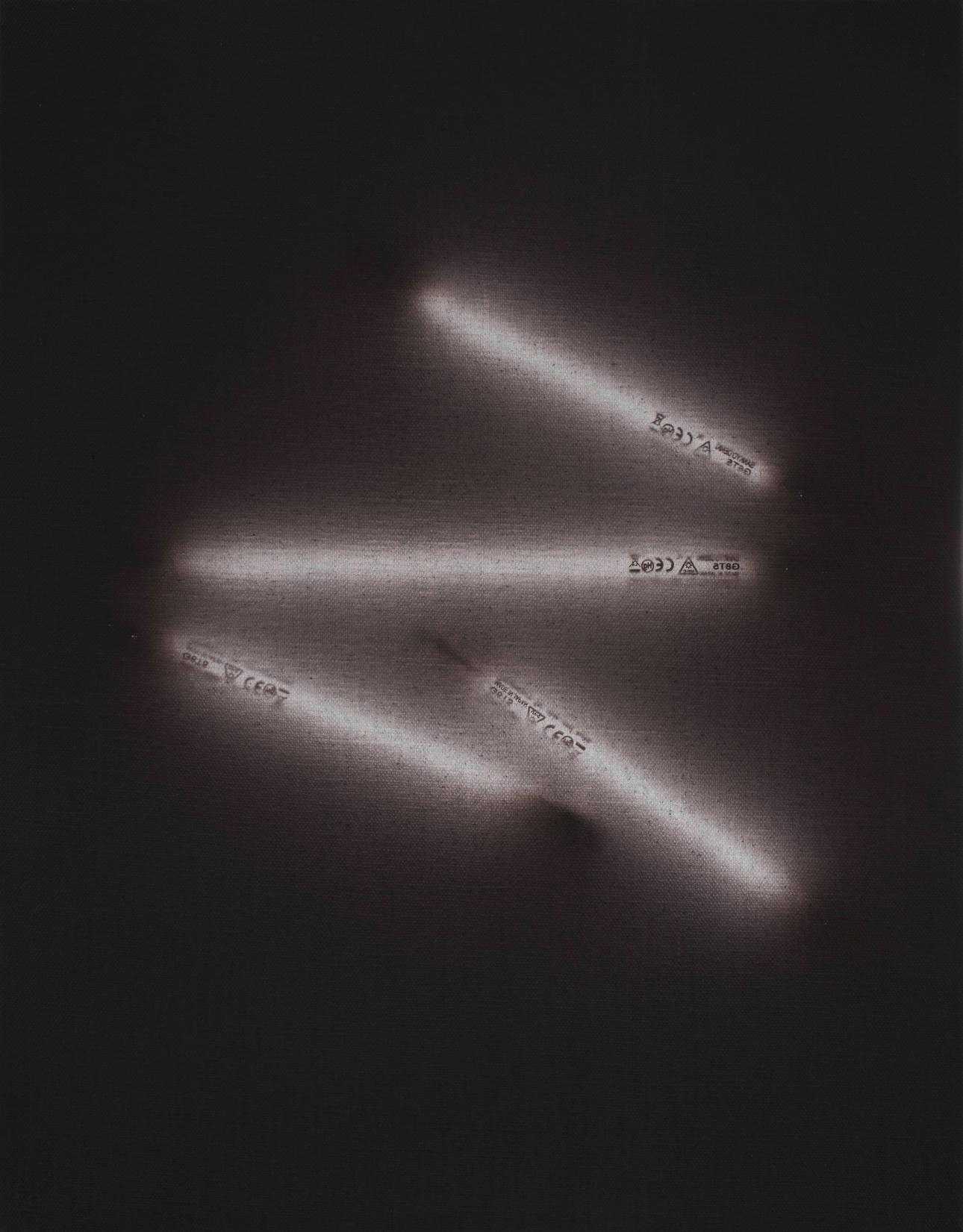
The present, which has been faded by the future202102
Type: Painting
Materials: printing ink on canvas
Dimensions: 50 x 4 0 cm
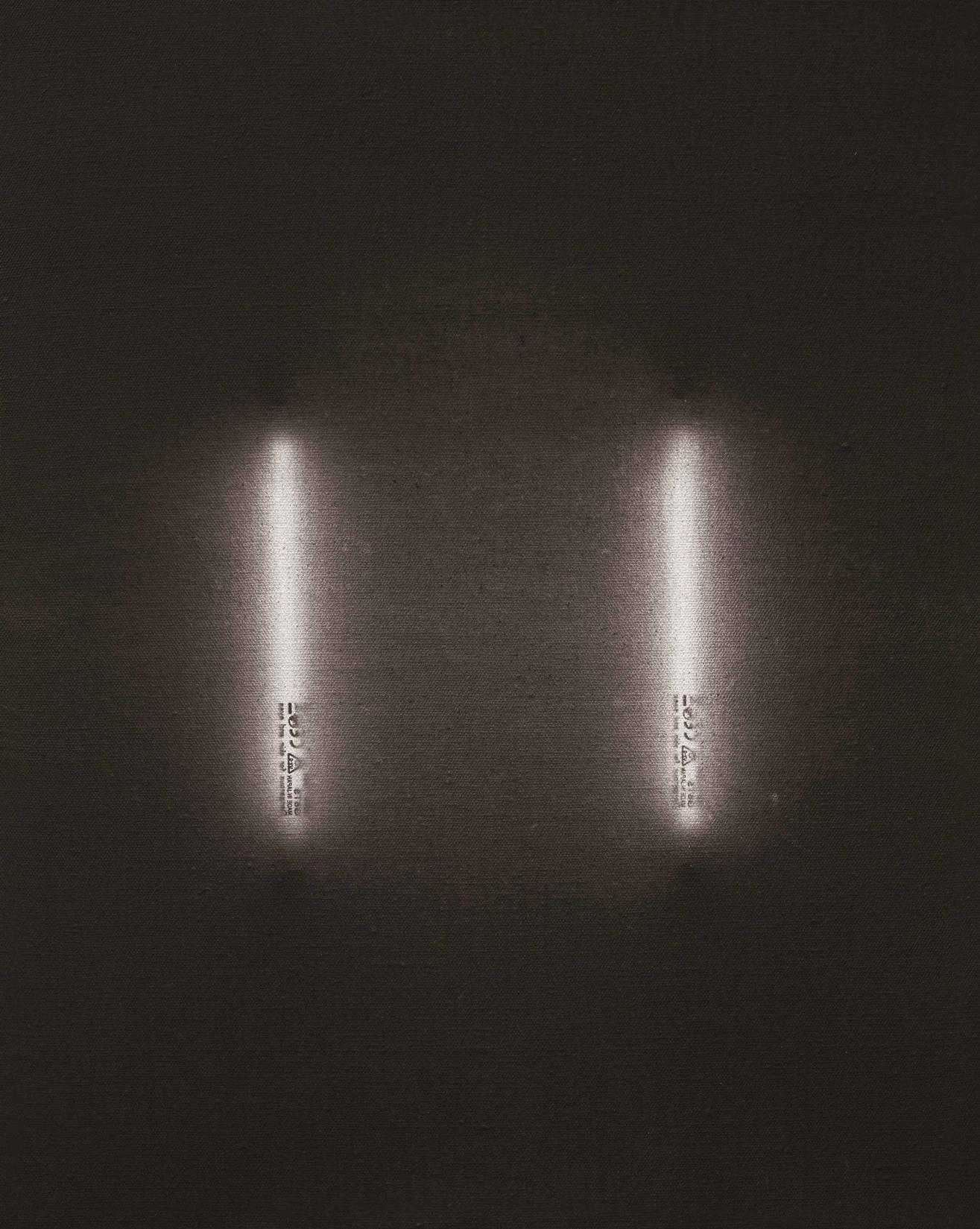
The present, which has been faded by the future202108
Type: Painting
Materials: printing ink on canvas
Dimensions: 50 x 4 0 cm
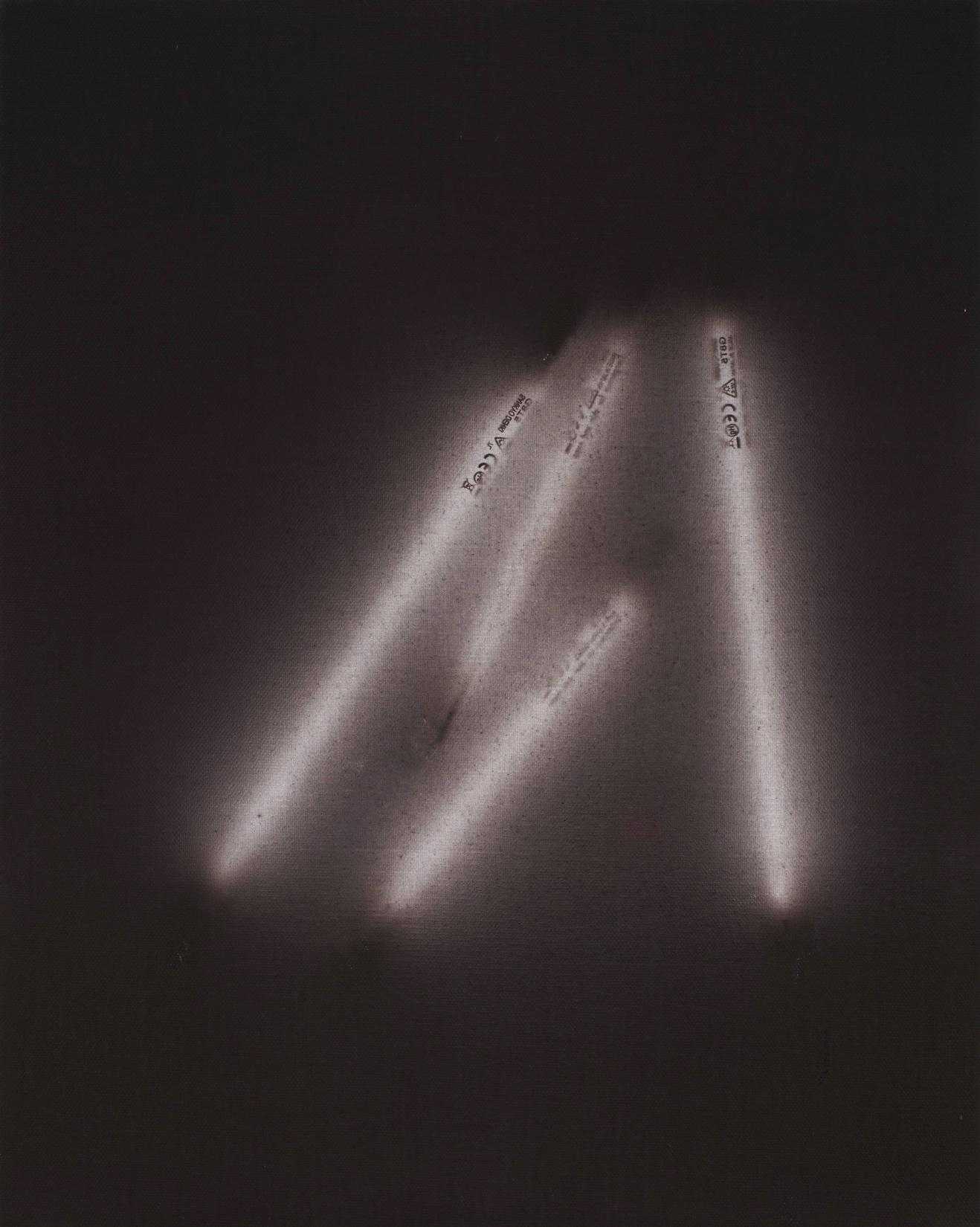
The present, which has been faded by the future202009
Type: Painting
Materials: printing ink on canvas
Dimensions: 50 x 40 cm
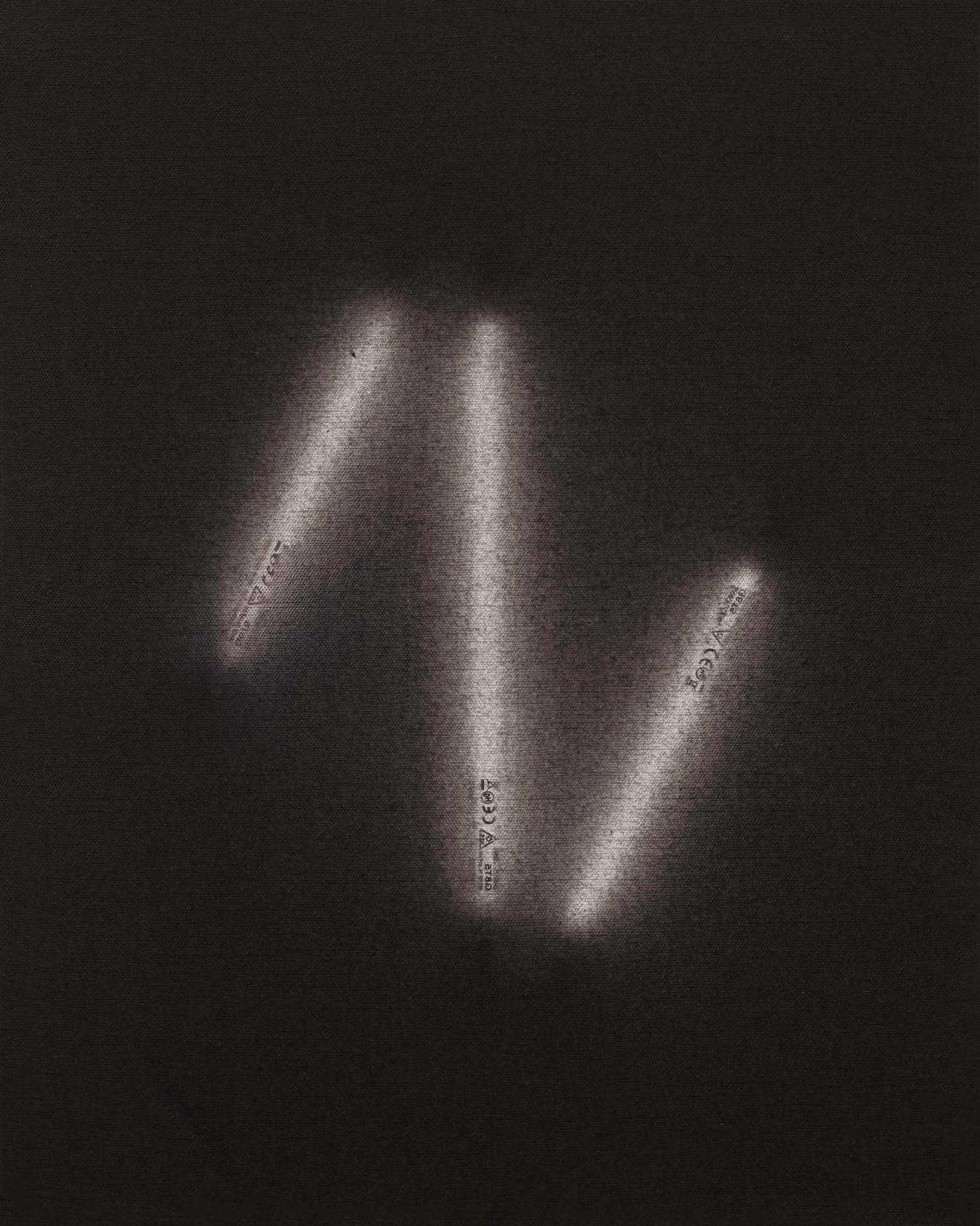
The present, which has been faded by the future201804
Type: Painting
Materials: printing ink on canvas
Dimensions: 50 x 4 0 cm