Untitled 1 Series / WANG Yuyang# Series
2013 – 2024
Hans Belting once posed a question: How is it that an image might be transformed into a purely technological entity? “The function of images across various cultures—as organs of social memory and as memory traces of a culture’s spiritual tension, said Giorgio Agamben. With the iterative evolution of technology, we are confronted with the emergence of new possibilities for social memory, specifically, machine memory. Can technological progress translate human memory into machine memory? If machine memory could, to some extent, supplant human memory, would the image still fulfill the function of social memory? And how can humans interpret machine memory? These series of works offers insights. Wang Yuyang transcribes selected textual content into binary code, employing 3D software 3ds Max and painting software Paniter to convert the binary sequence of text into recognizable and processible forms, yielding 3D models and images. The initial experiments of this series date back to 2013, and by 2015, the artist had entirely forsaken textual input, granting the machine autonomy in creation. The machine autonomously selects words from a vocabulary to name the generated files and categorizes them as “sculptures” and “paintings”. The machine language is then transformed a second time into images comprehensible to the audience. When viewers encounter these “sculptures” and “paintings” created and categorized by machine consciousness, they are compelled to reflect: their empiricism, steeped in personal experience, is rendered inoperative here, and their established cognition appears both absurd and comical. Technical images are generated under the dominion of technology. Vilém Flusser elucidated the differences between digital and alphabetical thinking within the realm of iconology. Alphabets, the foundation of text or writing, retain elements of sensibility and individual experience, while numbers are abstract and standardized. Binary code remembers computational rules, in contrast to human memory, which is always accompanied by individual experience and cultural particularity. So, how is a memory unrelated to history to be generated? Artist Wang Yuyang explains that initially, he input excerpts from John D. Barrow’s The Infinite Book: A Short Guide to the Boundless, Timeless and Endless, specifically the section on page 38, “The sky is black... thus also quite empty”. Infinity, inherently a human concept describing the unknown cosmos, is humorously referred to by John D. Barrow as a logical plague, yet at this moment, Wang Yuyang attempts to generate it infinitely from a technical standpoint and to create infinitely on the level of images. This results in a failure to establish an effective referential relationship between text and image; the image can no longer convey visual information. Can the memory from machines, then, exist as a way for humans to interpret and supplement history? Untitled 1 Series and WANG Yuyang# Series may not fully answer this, but the artist, facing these sensate entities capable of evoking emotion, has already attempted to rearrange and rewrite today’s spectrum of sensibility through technology, establishing an organological analysis of technological life forms. The significance of this endeavor surpasses the question itself.
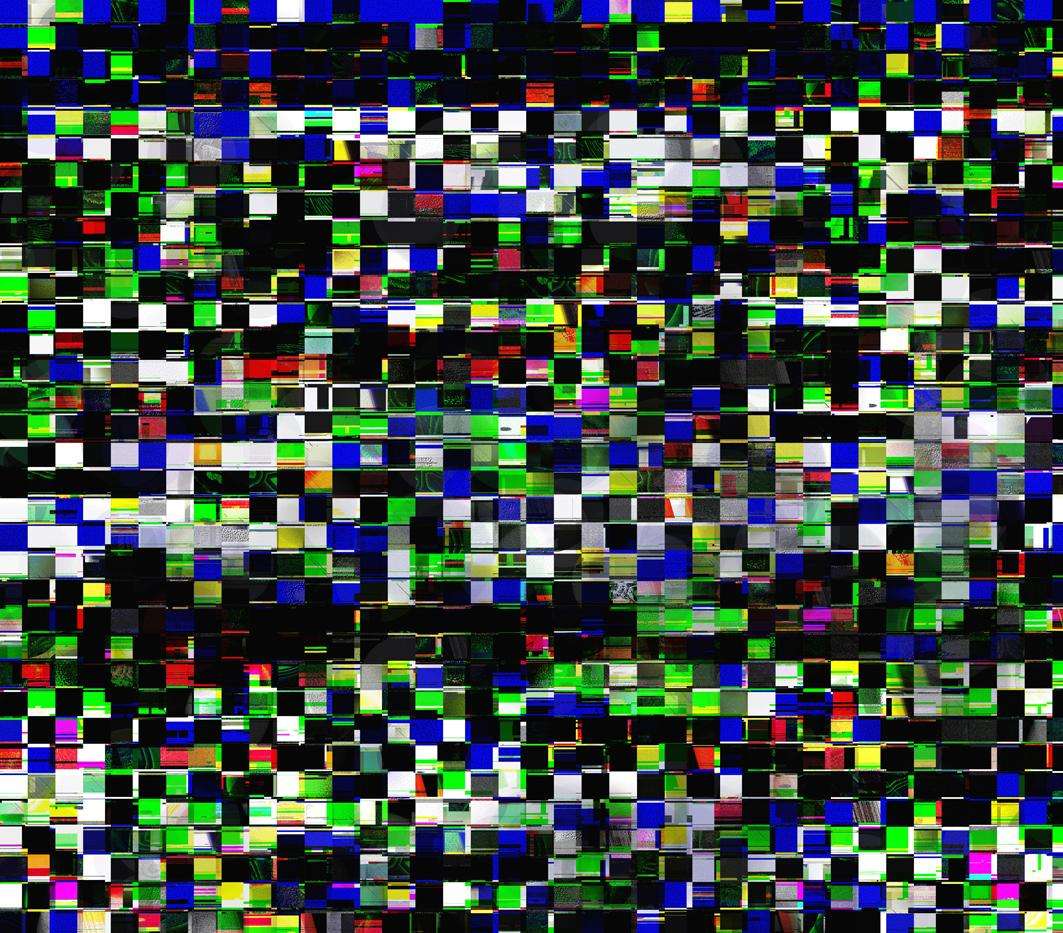
Perfect
Type: Painting
Materials:, Oil on canvas
Dimensions: 300cm(l) × 300cm(w)
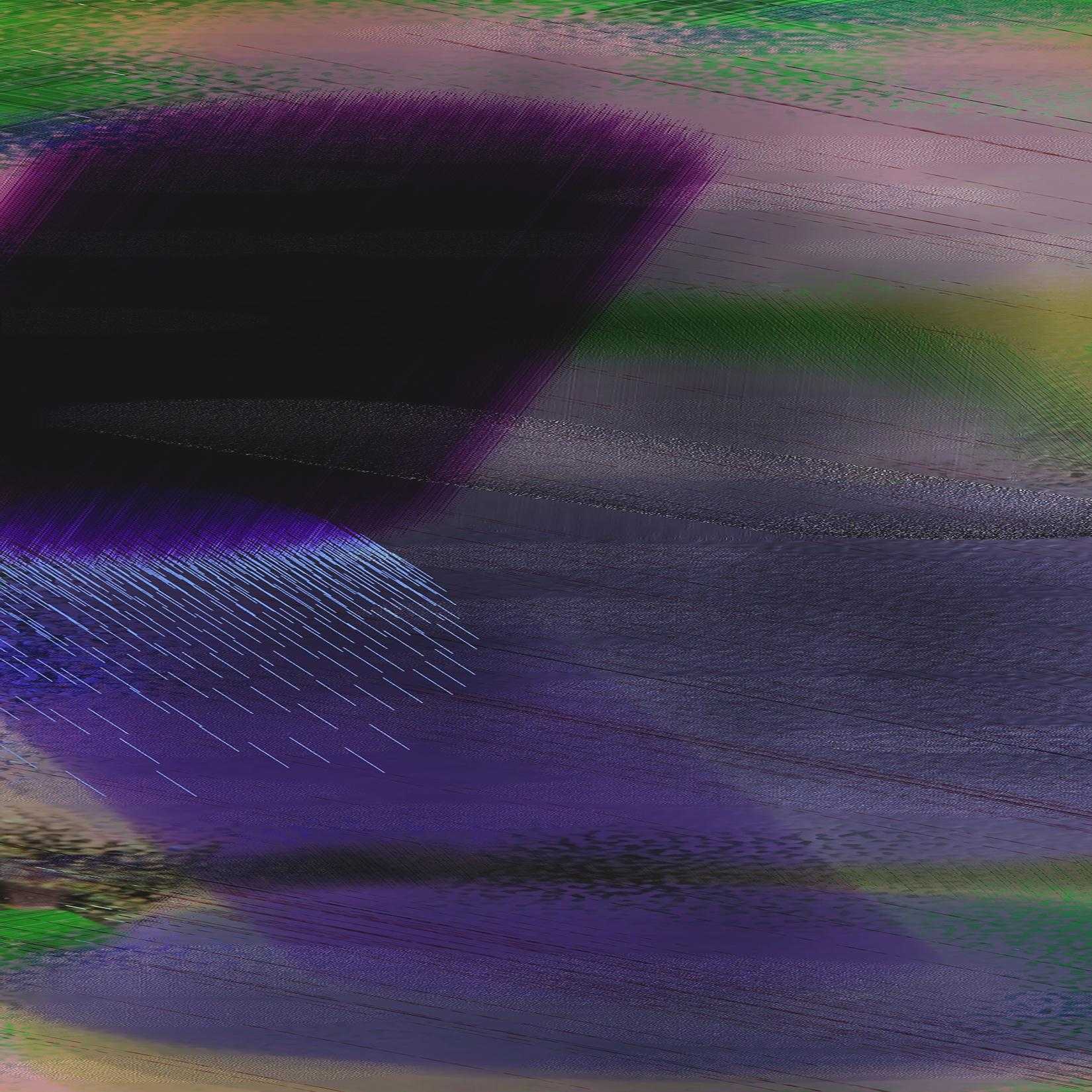
Inherit
Type: Painting
Materials:Oil on canvas
Dimensions: 210cm(l) × 210cm(w)
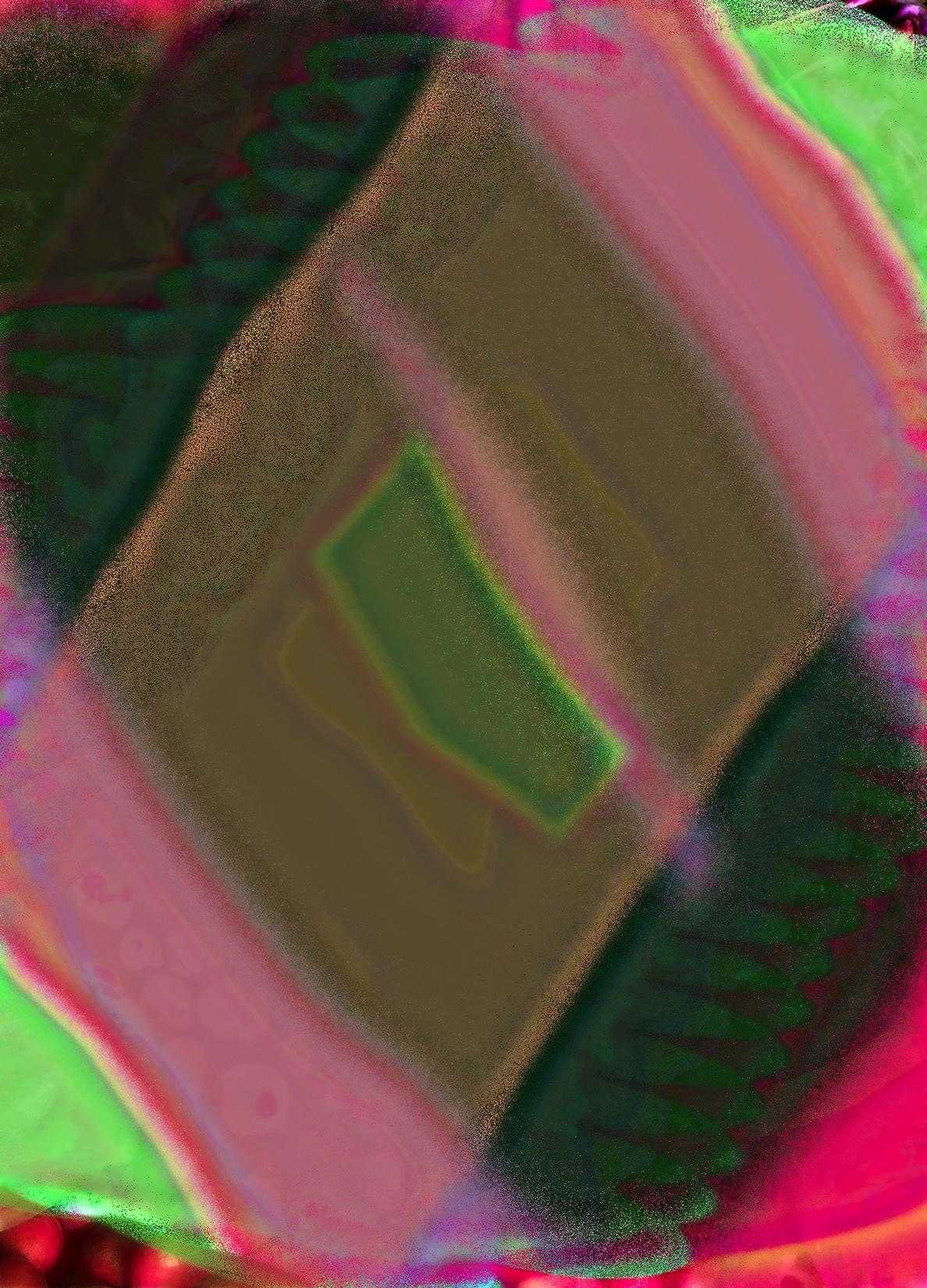
Play
Type: Painting
Materials:Oil on canvas
Dimensions: 250cm(l) × 180cm(w)