Plant
2024
Artist Wang Yuyang, with meticulous care, has scanned a plethora of botanical forms, amassing an extensive Plant Database. Utilizing this repository, he channels AI in the deep learning of these plants’ contours, hues, and tactile qualities. The algorithms at play capture the subtleties of creation, rendering details so vividly realistic that upon close observation, the leaf veins and transpiration pores are discernible, thus pushing the boundaries of the viewers’ sensory experience. These digitally conjured botanical simulacra by algorithm obscure the threshold between the genuine article of nature and the phantasmagoria of the digital realm. Wang Yuyang then transposes these two-dimensional plant images into three-dimensional entities through a sophisticated printing technique, breathing life into them as if they were preserved specimens. The plants’ backdrop, a nod to antiquity, employs plaster glaze, a traditional European church decorative material, to emulate the veining of marble. Jean Baudrillard, in his discourse, invoked the l'ange de stuc as a metaphor to elucidate the essence of simulacra from the Renaissance to the Industrial Revolution. The shift towards using lime-textured plaster to sculpt celestial figures not only underscores the Jesuits’ societal manipulation during that era but also mirrors humanity’s profound aspiration to dominate society through the mimicry of nature and the fabrication of an artificial order. This art of reality counterfeiting is intrinsically connected to the essence of Wang Yuyang’s artistic endeavors, which have long questioned the demarcation between reality and artifice, while simultaneously reflecting on the intertwined dynamics between technology and the natural world. Wang Yuyang steadfastly maintains that all entities in the cosmos possess the inherent right to articulate their existence. French philosopher Georges Canguilhem presents a viewpoint that eschews the binary contrast between living organisms and technological machines, avoiding a reductionist analogy between AI and human cognition. He posits that the algorithmic generation of botanical mimicries should be regarded as a paradigm of organology, prompting a reevaluation of how technological evolution shapes human cognitive faculties—intuition, memory, understanding, sensibility, and imagination—as well as the fabric of knowledge. Canguilhem also meditates on the co-evolution of biological entities and artificial constructs. In terms of presentation, Wang Yuyang imbues his creations with a poetic sensibility and aesthetic grace, where technology and humanity imprint upon each other, synchronizing their différance, and within the structural interplay, they invent themselves anew.
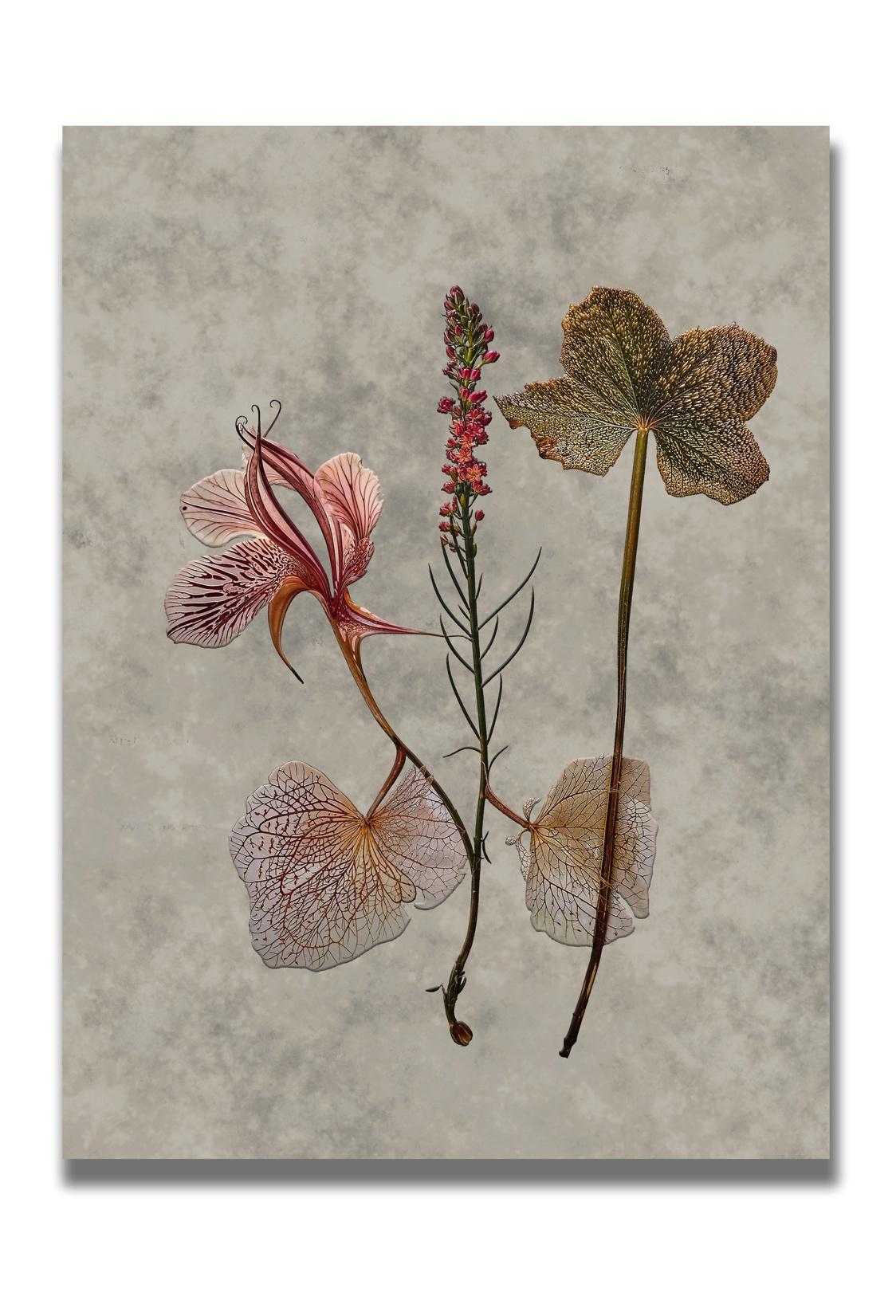
Plant001
Type: Painting
Materials:, Acetate, Microcement Board
Dimensions: 230cm(l) × 170cm(w)
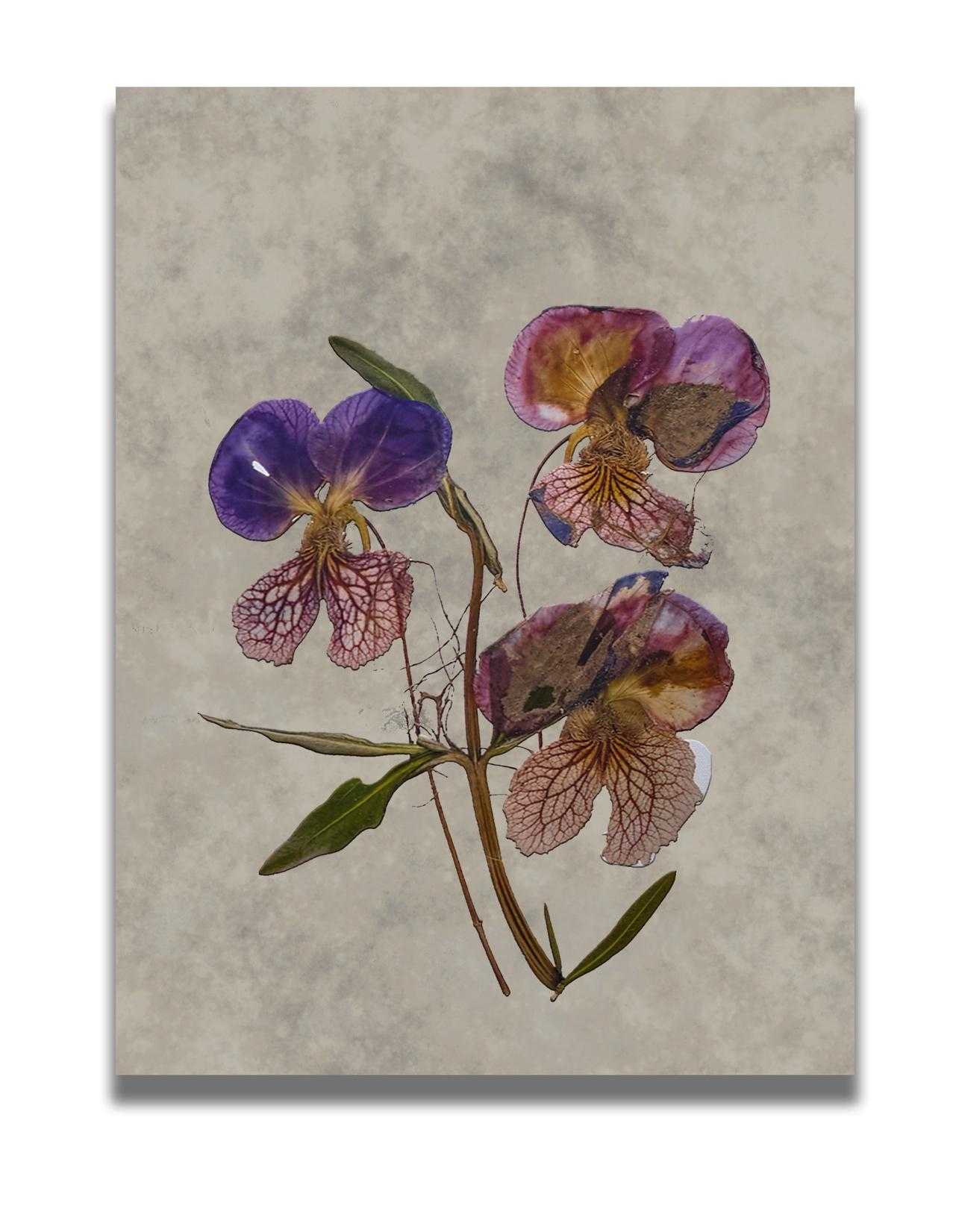
Plant002
Type: Painting
Materials:, Acetate, Microcement Board
Dimensions: 220cm(l) × 170cm(w)